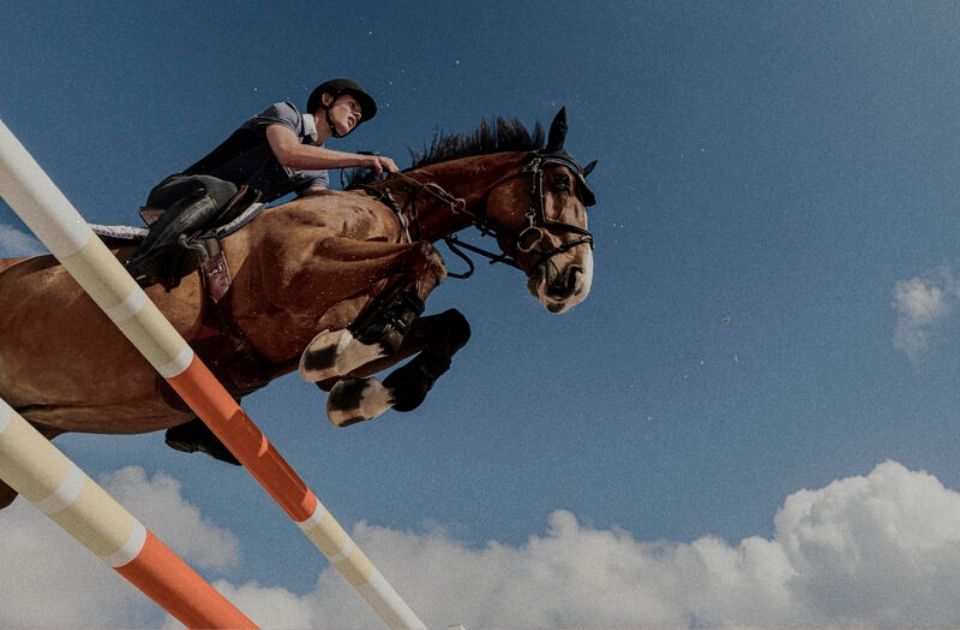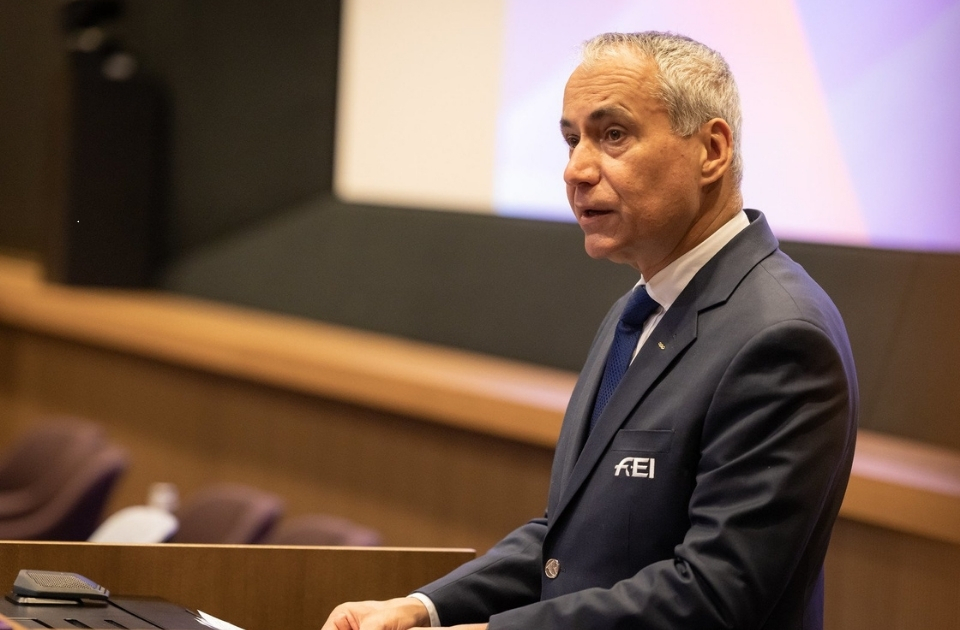
Lausanne, April 1 – The FEI Sports Forum took place this week in Lausanne, bringing together key stakeholders from across the equestrian sector to discuss the future of the sport. The 2026 edition focused on a broad range of topics, including equestrian youth development, key regulatory proposals for LA28, revision to the FEI Dressage and Para Dressage Rules, the FEI Marketing & Communication strategy, veterinary matters, the introduction of the FEI Stable Manager role, and the use of data to enhance welfare and safety. Schelstraete Equine Law was represented at the Forum by partner and attorney-at-law Piotr Wawryzniak.
Proposals discussed during the Forum will be further reviewed and redefined throughout the year, with selected measures expected to be submitted for voting at the FEI General Assembly on 5 December 2026.
Many of these proposals carry important regulatory and legal implications for athletes, owners, organizers, veterinarians and federations. This article provides a FEI Sports Forum 2026 overview of the key proposals and their potential legal implications.
Session 1: Youth at the Heart of Equestrian Sport Development
The FEI reaffirmed its commitment to placing young athletes at the center of the sport’s global growth strategy. Structured youth pathways across all disciplines, alongside initiatives such as the FEI Jumping Youth Education Programme, aim to equip athletes not only with competitive skills, but also with knowledge on governance, horse welfare, and media engagement.
Data presented during the session underscored the importance of youth within the sport: nearly 50% of all FEI-registered athletes are under 25, with female participation continuing to slightly increase from 72.52% in 2018 to 74.10% in 2025. While youth participation remains strong at entry levels, retention remains a key challenge, with many athletes leaving the sport in their early twenties despite continued interest and involvement in the wider equestrian industry.
The first session also included two moderated panels on youth development and the pathway to elite sport:
Youth development: Panelists emphasis the importance of balanced progression, strong support systems, and exposure to multiple disciplines. Coaching quality, education, open communication, horse welfare, and responsible media use were identified as essential.
Pathway to elite sport: Transitioning to elite level requires not only talent, but also financial support, access to opportunities, and professional guidance. Athletes and federation representatives highlighted the importance of structured programs, transparent selection processes, and holistic development.
Session 2: Key Regulatory Proposals for LA28
During the second session, proposed updates to the regulations for equestrian events at the Los Angeles 2028 Olympic and Paralympic Games were discussed.
A central proposal introduces increased flexibility for pre-competition changes, allowing unlimited athlete-horse combination changes from nominated entries up to two hours before competition, provided that the horses are already onsite. In contrast, substitutions will remain restricted to specific circumstances differing per discipline, requiring medical of veterinary justification and subject to strict timelines.
Further provisions address athlete and horse nationality requirements, mandating alignment by 17 January 2028 (Olympics only), and confirm the continued use of the NOC Certificate of Capability, requiring nations to demonstrate minimum eligibility standards for at least three combinations. A streamlined digital entry process via the FEI Entry System is also proposed.
Discipline-specific updates include potential increases to substitution penalties in Eventing, clarification of team results in case of elimination or disqualification in Dressage, and a proposed increase in the minimum horse age to seven years in Para Equestrian disciplines. In Jumping, adjustments to team replacement rules and competition formats are under review.
Importantly, team sizes will remain limited to three combinations due to IOC quote restrictions, ruling out proposals to expand formats. Broader discussions also highlighted financial and logistical considerations, including quarantine and stabling, as well as the need for alignment between Olympic and Paralympic procedures.
Session 3: Revision of FEI Dressage Rules
In the third session, the ongoing full revision of the FEI Dressage Rules was assessed, with 12 key recommendations requiring rule changes currently under consultation. Several updates have already entered into force in 2026, including the option to use a snaffle bridle up to and including 3* level.
Proposed rule changes focus on horse welfare, judging transparency, and competition structure, including:
- Increasing the minimum horse age for senior CDI2* and above from eight to nine;
- Reviewing the use of the double bridle at 4*, 5*, and Championship level
- Introducing an ordinary draw for Grand Prix competitions instead of rankings-based draws;
- Publishing judges’ comments to enhance transparency;
- Clarifying rules on the competition arena perimeter;
- Reviewing role of the FEI in the appointment and evaluation of officials, including conflicts of interest.
In addition, a dedicated Task Force on horse welfare and sanctions will be established to review rules on horse condition, abuse, and penalties, aiming for a harmonized and multidisciplinary approach.
The session also highlighted the Dressage Judge Monitoring Programme, aimed at improving judging consistency, accountability, and education.
Session 4: FEI Marketing & Communication strategy 2026-2030
The FEI presented its new Marketing & Communication strategy for 2026-2030, aimed at strengthening global visibility, credibility, and growth of equestrian sport in an increasingly competitive and changing media landscape.
Built around four pillars (showcasing both horses and athletes, growing audience engagement, reinforcing trust and transparency within the equestrian sector and FEI, and promoting horse welfare) the strategy focuses on digital innovation, data-driven and increased fan engagement, and clearer communication of equine welfare standards.
Key initiatives include stronger athlete and horse narratives, expansion into new and younger audiences, and improved collaboration with National Federations. Success will be measured through audience growth, engagement metrics, and public perceptions. The strategy is set for final validation by the FEI Board in June 2026.
Session 5: Veterinary Matters: Advancing Rules, Research & Responsibility
Session 5 focused on the comprehensive revision of the FEI Veterinary Regulations, with a strong emphasis on equine welfare, scientific evidence, and harmonized global standards.
Key proposed updates include stricter rules on fitness to compete (including behavior assessment, neurectomy, the Henneke Scale for body condition scoring, and jugular vein functionality), and enhanced clean sport measures, such as tighter controls on medications, limitations on non-emergency injectable treatments, and clearer guidance on therapeutic use exemptions with pergolide.
Additional proposals address welfare and safety, including mandatory overnight stable closures, elimination of dangerous horses, and safety rules in stable areas. Discussions also covered horse identification (including DNA sampling), supportive therapies, limb sensitivity protocols, and facility requirements.
Session 6: FEI Para Dressage Rules
During session 6, key proposals under the full revision of the FEI Para Dressage and Classification Rules were presented, with a strong focus on fairness, accessibility, and consistency.
Proposed changes include:
- Alignment of CPEDI3* team formats with Championships;
- Lowering the minimum athlete age from 14 to 12 for international events, championships, and Games;
- Expanded use of voice aids across all Grades and stricter rule and adaptive equipment (including whips and saddlery);
- Limiting double bridles to CPEDI3* (optional basis for all Grades) and permitting only snaffle bridles at CPEDI1* and CPEDI2* level;
- A review and tighter control of Adaptive Equipment approval processes;
- Introduction of officials’ rotation policies;
The revision of Classification Rules is required to align with the International Paralympic Committee framework, introducing a four-stage classification system covering medical eligibility, impairment assessment, minimum impairment criteria, and sport class (Grade) allocation.
Further proposals address monitoring and regulation of adaptive equipment, and stricter rules on intentional misrepresentation reinforcing integrity and fairness in Para Equestrian Dressage.
Session 7: FEI Stable Manager
The FEI presented a proposal to formally recognize the role of the FEI Event Stable Manager (ESM), a key function responsible for planning, organization, operation, safety, and welfare of the FEI Stable Area at FEI events.
The ESM acts as a central coordinator between organizers, officials, veterinarians, athletes, grooms, and service providers, ensuring compliance with FEI Regulations and maintaining high welfare standards. The role spans all event phases – from planning and setup to on-site operations and post-event procedures- and is considered critical to both horse welfare and overall event integrity.
To support this initiative, the FEI has developed The FEI Stable Manager Education Programme aimed at standardizing best practices globally and professionalizing the role. Future steps include defining formal responsibilities, developing training frameworks, and expanding accessibility, particularly for younger participants and developing National Federations.
Session 8: Data Driven Welfare and Safety
The final session highlighted the growing role of data in improving horse welfare, safety, and policymaking across equestrian sport.
Speakers demonstrated how data-led initiatives such as the Hyposensitivity Control System in Endurance, footing research, and injury tracking, have already contributed to reduced injuries and informed rule changes. Broader examples from racing and international research further illustrated how data can support risk management and proactive welfare strategies.
Ongoing projects include research into career longevity in Jumping horses, as well as expanded data collection through tools such as the FEI Equine Digital Passport (Equipass).
The session also showcased continued progress in the FEI Eventing Risk Management programme, with a measurable decrease in falls, underlining the impact of evidence-based safety measures.
Legal and Regulatory Implications
From a legal perspective, the proposed rules may have legal and regulatory implications for athletes, owners, organizers, veterinarians, and federations.
- Increased flexibility in pre-competition changes in combination with stricter substitution rules may raise questions around fairness, eligibility, and potential disputes during the Olympic and Paralympic Games of 2028.
- New nationality requirements for horse-athlete combinations could have implications for ownership structures and cross-border arrangements.
- Proposed changes on horse welfare, veterinary controls, and data collection (DNA, Equipass) reinforce compliance obligations and may increase liability exposure for organizers and stakeholders.
- Revisions to judging transparency and officials’ oversight may lead to greater scrutiny and potential appeals or disciplinary proceedings.
- The formalization of roles such as the FEI Event Stable Manager further clarifies responsibility and accountability within FEI events.
Full FEI Sports Forum 2026 overview
A detailed overview can be found on the website of the FEI: https://inside.fei.org/fei/sports-forum/2026
Sources
FEI Sports Forum 2026, Lausanne (SUI). (2026, April 1). FEI. https://inside.fei.org/fei/sports-forum/2026
FEI SF 2026 – Session 1. (2026, March 30). FEI. https://inside.fei.org/fei/sports-forum/2026/session-documents/session-one
FEI SF 2026 – Session 2. (2026, March 30). FEI. https://inside.fei.org/fei/sports-forum/2026/session-documents/session-two
FEI SF 2026 – Session 3. (2026, March 30). FEI. https://inside.fei.org/fei/sports-forum/2026/session-documents/session-three
FEI SF 2026 – Session 4. (2026, March 31). FEI. https://inside.fei.org/fei/sports-forum/2026/session-documents/session-four
FEI SF 2026 – Session 5. (2026, March 31). FEI. https://inside.fei.org/fei/sports-forum/2026/session-documents/session-five
FEI SF 2026 – Session 6. (2026, March 31). FEI. https://inside.fei.org/fei/sports-forum/2026/session-documents/session-six
FEI SF 2026 – Session 7. (2026, March 31). FEI. https://inside.fei.org/fei/sports-forum/2026/session-documents/session-seven
FEI SF 2026 – Session 8. (2026, March 31). FEI. https://inside.fei.org/fei/sports-forum/2026/session-documents/session-eight