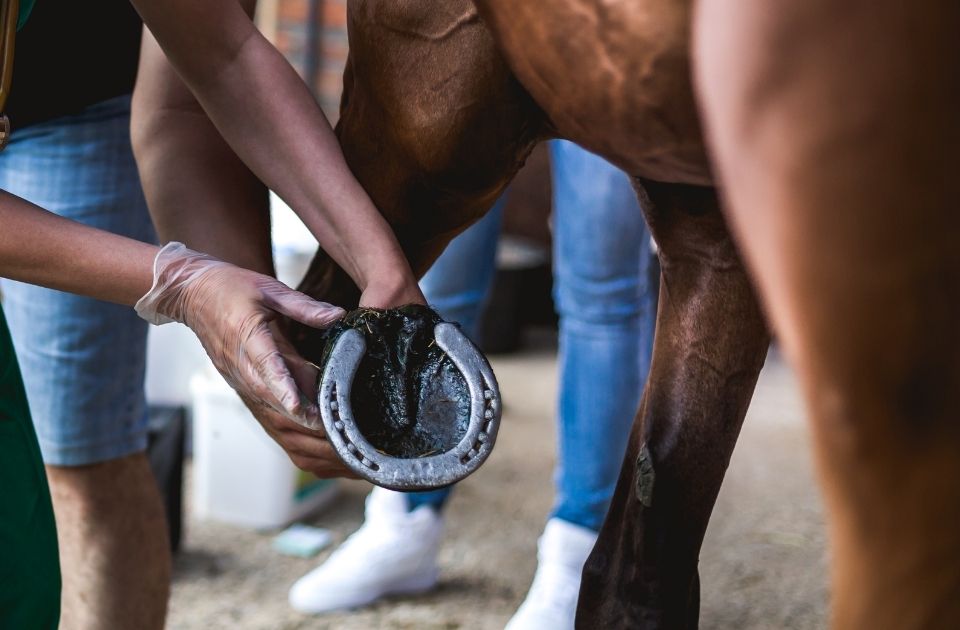
Pre-purchase examinations (PPEs) have long been a cornerstone of equine transactions. Designed as a clinical assessment of a horse at a specific point in time, the PPE helps buyers make informed decisions while providing veterinarians with a structured framework for evaluating a horse’s health.
Today, however, the role of the PPE is changing. Legal developments, advances in diagnostic technology, and shifting stakeholder expectations are reshaping how examinations are performed, interpreted, and ultimately assessed in legal proceedings.
In this article, we examine some of the legal, technological, and ethical developments that are reshaping PPEs. This article was authored by our in-house veterinarian and paralegal, Femke Laan, who brings extensive equine veterinary experience together with legal expertise.
Growing Legal Risks of Pre-Purchase Examinations
The traditional purpose of a PPE is to identify relevant clinical findings and assess the risks associated with purchasing a horse. A PPE reflects a professional opinion based on a single examination, not a guarantee about the future performance of a living, changeable animal. Increasingly, however, buyers expect certainty rather than a risk assessment.
This growing expectation gap is contributing to a rise in misunderstandings and disputes. This trend was highlighted by the British Equine Veterinary Association (BEVA) during the National Equine Forum 2026, where it was noted that, whereas the vast majority of horses historically passed a PPE, veterinarians are now adopting a far more cautious approach as expectations continue to evolve. In addition, it was highlighted during the Forum that claims arising from PPEs account for a substantial proportion of claims against equine veterinarians, making this area of practice increasingly challenging.
These challenges become even more complex in an international context. The legal standards governing PPEs differ considerably between jurisdictions. Concepts such as suitability for purpose, professional negligence, burden of proof, and insurance coverage vary between the United Kingdom, continental Europe, and the United States. As international horse trade continues to expand, veterinarians are increasingly required to understand how the same PPE report may be interpreted differently depending on the applicable legal framework, adding another layer of complexity to veterinary decision-making.
How is Technology Changing Pre-Purchase Examinations?
Advances in diagnostic imaging continue to improve the quality of pre-purchase examinations. Higher-resolution imaging, the implementation of AI technology, and increased data sharing between parties provide veterinarians with more information than ever before.
At the same time, these developments introduce new challenges. Minor radiographic or clinical findings that may have little or no practical significance are increasingly perceived as reasons for concern among stakeholders, or scrutinized during negotiations or litigation. The availability of more data therefore places greater emphasis on clinical judgement and proportional interpretation, rather than on identifying every possible abnormality.
Balancing Professional Responsibilities and Ethical Tension
PPEs also raise important ethical questions: veterinarians must navigate the interests of multiple stakeholders while maintaining their professional independence. Buyers seek reassurance, sellers expect fairness, all while the welfare of the horse remains the central consideration.
Clear communication about the purpose and limitations of a PPE is therefore becoming increasingly important. Defining expectations before the examination helps reduce misunderstandings and supports more informed decision-making by all parties involved. At the same time, finding the right balance between careful advice and overly defensive practice remains an important discussion within the veterinary profession.
Legal Advice on Pre-Purchase Examinations
The legal, technological, and ethical developments surrounding PPEs continue to shape equine veterinary medicine worldwide. Understanding these developments requires both legal and veterinary perspectives, particularly in an increasingly international marketplace.
For legal advice on PPEs or international horse transactions, contact our experts via info@schelstraete.com or our contact page.