Buying or Selling a Horse in the EU? The EU Directive 2019/771 Horse Sales Rules May Apply
Are you planning on buying or selling a horse within the European Union? Are you acting as a consumer or as a professional seller? If so, the EU Directive 2019/771 horse sales regime could significantly affect your rights and obligations.
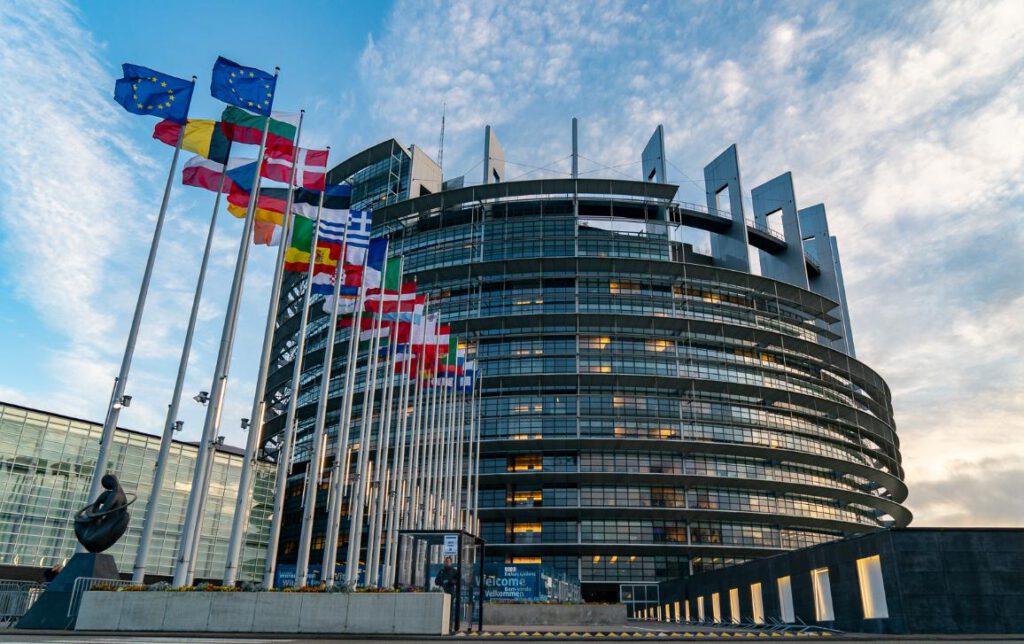
As of 1 January 2022, Directive (EU) 2019/771 on certain aspects concerning contracts for the sale of goods entered into force. The purpose of this Directive is clear: to ensure a high level of consumer protection across the European Union.
Conformity Requirements Under EU Directive 2019/771 Horse Sales
One of the most important changes introduced by the EU Directive 2019/771 horse sales framework concerns the concept of “conformity”.
The Directive distinguishes between:
Subjective Conformity
Requirements agreed upon in the specific sales contract (e.g., suitability for showjumping, breeding potential, temperament).
Objective Conformity
Requirements that a good — including a horse — must meet based on its normal purpose and reasonable expectations.
If these requirements are not met, the buyer may invoke non-conformity.
For horses, where health, performance capacity and behavior can evolve over time, this distinction is particularly significant.
Reversal of the Burden of Proof: A Major Shift
A second major change under the EU Directive 2019/771 horse sales regime concerns the burden of proof.
If a defect becomes apparent within one year after delivery, it is presumed that the defect already existed at the time of sale. The seller must prove otherwise.
Member States may extend this period up to two years.
Considering how many medical or behavioral issues may arise spontaneously in horses, even one year can be a long and commercially risky period for professional sellers.
Favorable for consumers but significantly less so for sellers.
Can Member States Exclude Living Animals?
The Directive allows Member States to exclude sales contracts concerning living animals from its scope.
However, implementation differs across the EU.
France
France has extended the reversal of the burden of proof to two years, but simultaneously excluded sales contracts relating to animals.
Germany
Germany has also excluded live animals from the Directive’s scope.
Belgium
Belgium is still in the implementation phase but appears inclined to exclude animal sales, potentially combined with alternative protective provisions.
The Netherlands
The Netherlands is expected not to use either exclusion option. If the bill is adopted in its current form, professional horse sellers in the Netherlands will carry the burden of proof for one year following delivery.
Different Countries, Different Risk Profiles
The implementation of the EU Directive 2019/771 horse sales rules creates varying degrees of protection across Member States.
-
The Netherlands may become more attractive for buyers due to stronger consumer protection.
-
Sellers may prefer jurisdictions where animal sales are excluded.
-
Cross-border transactions require careful contractual structuring.
This fragmentation may significantly influence the European horse trade.
Strategic Considerations for Buyers and Sellers
When entering into a horse sale agreement within the EU, consider:
-
Clear contractual descriptions of the horse’s characteristics
-
Pre-purchase examinations
-
Allocation of risk clauses
-
Jurisdiction and applicable law
-
Professional vs consumer qualification
The interaction between EU law and national implementation makes legal advice increasingly important in equine transactions.
Monitoring Developments in EU Horse Trade Law
The coming years will show how remaining Member States transpose the Directive and how courts interpret its application to horse sales.
For now, the EU Directive 2019/771 horse sales framework represents a significant legal development that both buyers and professional sellers should closely monitor.
Questions?
Whether you are a professional horse dealer, breeder, or a consumer purchasing a horse within the European Union, the legal impact of the EU Directive 2019/771 horse sales regime should not be underestimated.
Differences in national implementation can significantly affect:
-
Your liability exposure
-
The burden of proof in case of defects
-
Contract drafting strategy
-
Cross-border enforcement risks
Early legal guidance can prevent costly disputes.
Schelstraete Equine Law has extensive experience advising buyers, sellers, breeders and equestrian professionals in complex cross-border horse transactions and litigation across Europe.
If you have questions or wish to review your contracts in light of the new consumer protection rules, our team is at your disposal.
Or read more in this World of Showjumping interview with our Managing Partner, Luc Schelstraete.