Hair analysis is rapidly becoming an important additional tool in equine anti-doping enforcement. Recent developments at the Fédération Equestre Internationale (FEI) and the United States Equestrian Federation (USEF) show a clear regulatory trend: governing bodies are looking beyond traditional blood and urine testing to identify prohibited substance use that may otherwise remain undetected.
For riders, owners, trainers, veterinarians and competition organizers, this development is significant because it fundamentally changes the timeframe over which doping can be detected and investigated. Hair testing can extend the detection window from days to weeks or even months, depending on the substance and circumstances. That makes it particularly relevant where regulators are concerned not only with what was present in the horse at the time of competition, but also with what may have been administered in the preceding period.
Written by our in-house veterinarian Femke Laan, our latest article examines the legal, regulatory and practical implications of hair analysis for riders, owners, trainers, veterinarians and equestrian businesses.
The Growing Role of Hair Analysis in Equine Doping Testing
Traditional doping test methods, such as blood and urine testing, remain essential in equine anti-doping programmes. They are well established and effective for many substances such as corticosteroids, non-steroidal anti-inflammatory drugs (NSAID’s) or anabolics. Their limitation is that they usually provide only a short-term picture of the horse’s condition. If a substance has already been metabolised or eliminated by the time a sample is taken, a traditional test may no longer detect it.
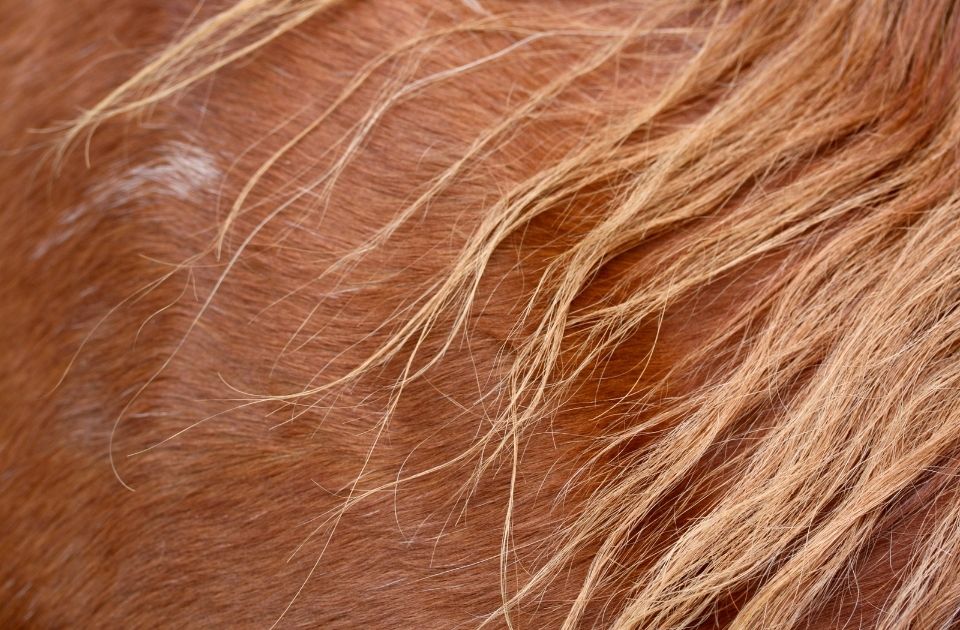
Hair analysis addresses that evidentiary gap by extending the detection window well beyond what blood or urine testing can achieve. Certain substances, or their markers, such as Trazodone or Ketamine, can become incorporated into the hair and remain detectable for a substantially longer period. This may assist regulators in identifying prior exposure to prohibited substances, patterns of intentional administration, or conduct raising wider horse welfare concerns.
Although hair analysis itself is not new and has been used in racing jurisdictions for many years, its growing relevance in sport horses and broader equestrian regulation marks a significant development. Beyond the regulatory sphere, hair analysis may also become increasingly important in legal proceedings, such as pre-purchase disputes involving lameness, undisclosed medication use, or questions concerning a horse’s prior treatment history.
Hair Testing Under FEI and USEF Regulations
During the FEI Sports Forum 2024, the FEI already discussed hair testing as part of a broader review of the FEI Equine Anti-Doping and Controlled Medication Regulations. This reflects an underlying concern that sport integrity and horse welfare are not confined to the competition arena. A horse may be exposed to prohibited or dangerous substances long before arriving at an event, while ordinary post-competition testing may not always reveal that history.
USEF has also added hair testing to its anti-doping toolbox since 1 July 2025. Its approach appears targeted: hair testing is intended primarily for substances that should never be present in a horse, rather than for ordinary therapeutic medications used appropriately under veterinary supervision. By focusing on inherently inappropriate or dangerous substances, the program remains more closely aligned with the welfare objectives of anti-doping regulation and is likely to be viewed as a more proportionate regulatory measure.
Legal and Evidentiary Challenges of Hair Testing
Hair testing can strengthen enforcement, but it does not answer every legal question. A positive hair finding may show prior exposure, but it will not always establish exactly when a substance was administered, who administered it, or in what circumstances exposure occurred. Those questions are particularly important when a horse has recently changed owner, rider, trainer, groom or yard.
For that reason, hair analysis should be assessed within a broader evidentiary context. Laboratory results need to be assessed alongside veterinary records, medication logs, transfer documents, competition history, stable management records and chain-of-custody evidence. The disciplinary process must consider responsibility, possible contamination, legitimate treatment history and proportionality of sanction.
Because hair testing may carry significant disciplinary consequences, robust procedural safeguards are essential. Reliable hair testing requires clear authority to collect samples, accurate horse identification, documented sampling procedures, tamper-evident packaging, continuous chain-of-custody records, validated laboratory methods and a fair opportunity for the relevant person to respond.
The growing use of hair analysis also increases the importance of medication governance and record-keeping. Records should include the date, dose, route and reason for treatment, the prescribing or attending veterinarian, and supporting documents such as prescriptions, invoices and clinical notes. Access to medicines should be controlled, staff should understand which substances are prohibited or inappropriate, and veterinary advice should be documented. In a hair-testing environment, poor records may become a serious evidentiary weakness.
Key Takeaways: The Future of Hair Testing in Equine Anti-Doping and Horse Welfare
Hair analysis is not a replacement for blood and urine testing: is a complementary tool with particular value in serious prohibited-substance cases and out-of-competition welfare monitoring. Used carefully, it can deter misconduct, identify dangerous exposure and strengthen confidence in fair competition. Its effectiveness will depend on proportionate rules, robust sampling protocols and careful interpretation of results. For the equestrian sector, the message is clear: anti-doping compliance is no longer limited to competition day. A horse’s wider treatment history may now become legally and regulatory relevant.
Legal Advice on Equine Hair Testing and Anti-Doping Matters
Schelstraete Equine Law provides strategic legal advice on equine anti-doping matters involving hair analysis, prohibited substances, regulatory compliance and horse welfare. As FEI and USEF frameworks continue to evolve, our specialized equine lawyers assist riders, owners, trainers, veterinarians and equestrian businesses with tailored, practical and result-driven legal solutions.